

grey tinted glass
Understanding the Price Dynamics of 24% Butterfly Valves Butterfly valves are critical components in various industrial applications, serving as flow control devices that regulate the flow of liquids and gases. With growing demand across sectors such as water treatment, oil and gas, chemicals, and HVAC, the market for butterfly valves, particularly 24% butterfly valves, has experienced notable price variations. In this article, we will explore the factors influencing the price of 24% butterfly valves, their specifications, and considerations for procurement. What is a Butterfly Valve? A butterfly valve is a type of quarter-turn valve that uses a rotating disc to regulate flow. The disc is mounted on a shaft and can be turned to open or close the flow path. When operated, the disc rotates to either allow or prevent flow through the valve body. This design is particularly efficient for applications that require quick and simple operation. Types and Specifications of 24% Butterfly Valves 24% butterfly valves typically refer to valves designed for specific applications requiring a 24% opening capacity. These valves come in a variety of materials, including cast iron, stainless steel, and plastic, allowing for diverse industrial use. The specifications will influence the price, with factors such as size, pressure rating, and material composition playing crucial roles. Factors Influencing the Price of Butterfly Valves 1. Material Composition The price of butterfly valves is largely determined by the material from which they are made. Stainless steel valves are generally more expensive than those made from ductile iron or plastic, due to their resistance to corrosion and longevity in harsh environments. 2. Size and Diameter Larger valves require more material and may necessitate more complex manufacturing processes, leading to higher costs. For example, a 24-inch butterfly valve will typically have a higher price point than a 6-inch valve due to material and engineering requirements. 3. Pressure Rating The operational pressure specifications of a valve affect its design and material strength. Higher pressure-rated valves must meet stricter manufacturing standards, subsequently increasing their cost. 4. Manufacturing Processes The complexity of the manufacturing process can also contribute to pricing variations. Valves that require precision machining or specialized fabrication techniques may cost more than those produced through standard methods. 5. Market Conditions and Demand The global price of raw materials, such as metals and plastics, can fluctuate due to market conditions. Additionally, changes in demand from various sectors can drive prices up or down. 6. Brand and Quality Established brands that provide high-quality products often command a premium price. Buyers may pay extra for a reputable brand known for its reliability and performance, especially in critical applications. 24 butterfly valve price 7. Regulatory Compliance In certain industries, valves must adhere to specific regulatory standards (such as API in oil and gas). Compliance can necessitate additional testing and certification, which may impact pricing. Cost Estimates for 24% Butterfly Valves The price of 24% butterfly valves can vary significantly based on the aforementioned factors. On average, customers can expect to pay anywhere from $50 to $500 for standard sizes and materials. However, heavily duty or specialty valves could exceed these estimates, especially when considering custom specifications. Considerations for Procurement When looking to procure 24% butterfly valves, it is essential to assess your needs thoroughly. Here are some considerations 1. Application Requirements Understand the specific requirements of your application, including flow rates, pressure levels, and temperature ranges. 2. Vendor Reputation Research potential suppliers, focusing on reviews, past performance, and industry reputation. 3. Total Cost of Ownership Consider the long-term costs associated with the valve, including potential maintenance, the frequency of replacements, and operational efficiency. 4. Warranty and Support Evaluate the warranties and customer support offered by the manufacturer, as these can provide additional value and assurance. 5. Bulk Purchasing and Discounts If your project requires multiple valves, explore volume purchasing options that may yield discounts. Conclusion The price of 24% butterfly valves is influenced by a myriad of factors ranging from material composition to market dynamics. Understanding these influences can help businesses make informed purchasing decisions that align with their budgetary constraints and operational requirements. As industries continue to evolve, staying informed about pricing trends in butterfly valves will remain essential for effective procurement strategies.
about
grey tinted glass
Understanding How to Read a Dial Bore Gauge Dial bore gauges are precision measuring tools commonly used in various industries, particularly in manufacturing and automotive engineering. These gauges are specifically designed to measure the internal diameter of a bore, such as engine cylinders or other cylindrical parts. In this article, we will break down the components of a dial bore gauge, how to use it correctly, and how to read its measurements accurately. Components of a Dial Bore Gauge A typical dial bore gauge consists of several key components 1. Dial Indicator The most recognizable part of the bore gauge, the dial indicator shows the measurement reading. It is calibrated to provide precise measurements, often in millimeters or inches. 2. Measuring Arms The gauge features two measuring arms that expand outward to contact the inner walls of the bore. These arms are adjustable and can easily accommodate different bore sizes. 3. Probe At the end of the measuring arms, the probe is the part that touches the inner surface of the bore. It is usually made of a durable, non-marring material to ensure it does not damage the workpiece. 4. Adjustment Knob This allows the user to set the initial position of the gauge, ensuring accurate measurements when the probe is placed inside the bore. 5. Base The base of the gauge stabilizes the tool during measurement, ensuring that no vibrations affect the reading. How to Use a Dial Bore Gauge Using a dial bore gauge properly requires following a few steps 1. Preparation First, ensure that both the gauge and the workpiece are clean. Any debris can lead to inaccurate readings. reading a dial bore gauge 2. Adjustment Before inserting the gauge, use the adjustment knob to set the gauge to the approximate diameter of the bore. This setting will provide a baseline for your measurements. 3. Inserting the Gauge Carefully insert the probe end of the gauge into the bore. Ensure the measuring arms expand gently against the inner wall, creating contact without excessive force. 4. Centering the Probe For a precise measurement, it is crucial to center the probe within the bore. You can rotate the gauge slightly to ensure it is perpendicular to the bore's surface. 5. Taking the Measurement Read the dial indicator once the probe is securely in place. Pay attention to the needle position and note the measurement. For more accuracy, take multiple readings at different heights of the bore, as irregularities can occur along its length. Reading the Dial Reading a dial bore gauge effectively requires some familiarity with the dial indicator. Here’s how to interpret the readings 1. Reference Scaling Most dial indicators have two scales a primary scale and a secondary scale (or a fractional scale). The primary scale is typically marked in larger increments, while the secondary scale provides more precise measurements. 2. Determining the Measurement When reading the dial, observe where the needle points. Combine the reading from the larger scale with any additional fraction indicated on the smaller scale. For example, if the needle points to 2.0 on the large scale and 0.5 on the small scale, the measurement would represent 2.5 mm or inches, depending on the unit of the gauge. 3. Zeroing the Gauge If the gauge has an adjustable zero, make sure it is set correctly before taking any measurements. This ensures that your readings reflect the true dimensions of the bore. Conclusion Reading a dial bore gauge is a fundamental skill for anyone involved in precise engineering work where internal diameters need to be measured accurately. By understanding the components and method of using the gauge correctly, operators can ensure high standards of manufacturing and maintenance quality. Regular practice and familiarity with the tool will improve the precision and efficiency of measurements over time. As with any measurement process, the accuracy of the results directly hinges on the operator's diligence in following proper procedures. With this knowledge, you can confidently tackle measurements using a dial bore gauge in your projects.
-

High quality industrial productsagement

High quality industrial products
View Details -

Meet the diverse needs of customers

Meet the diverse needs of customers
View Details -

Strict quality control

Strict quality control
View Details -

Top raw materials

Top raw materials
View Details -

Trusted supplier

Trusted supplier
View Details
Our application

news and information
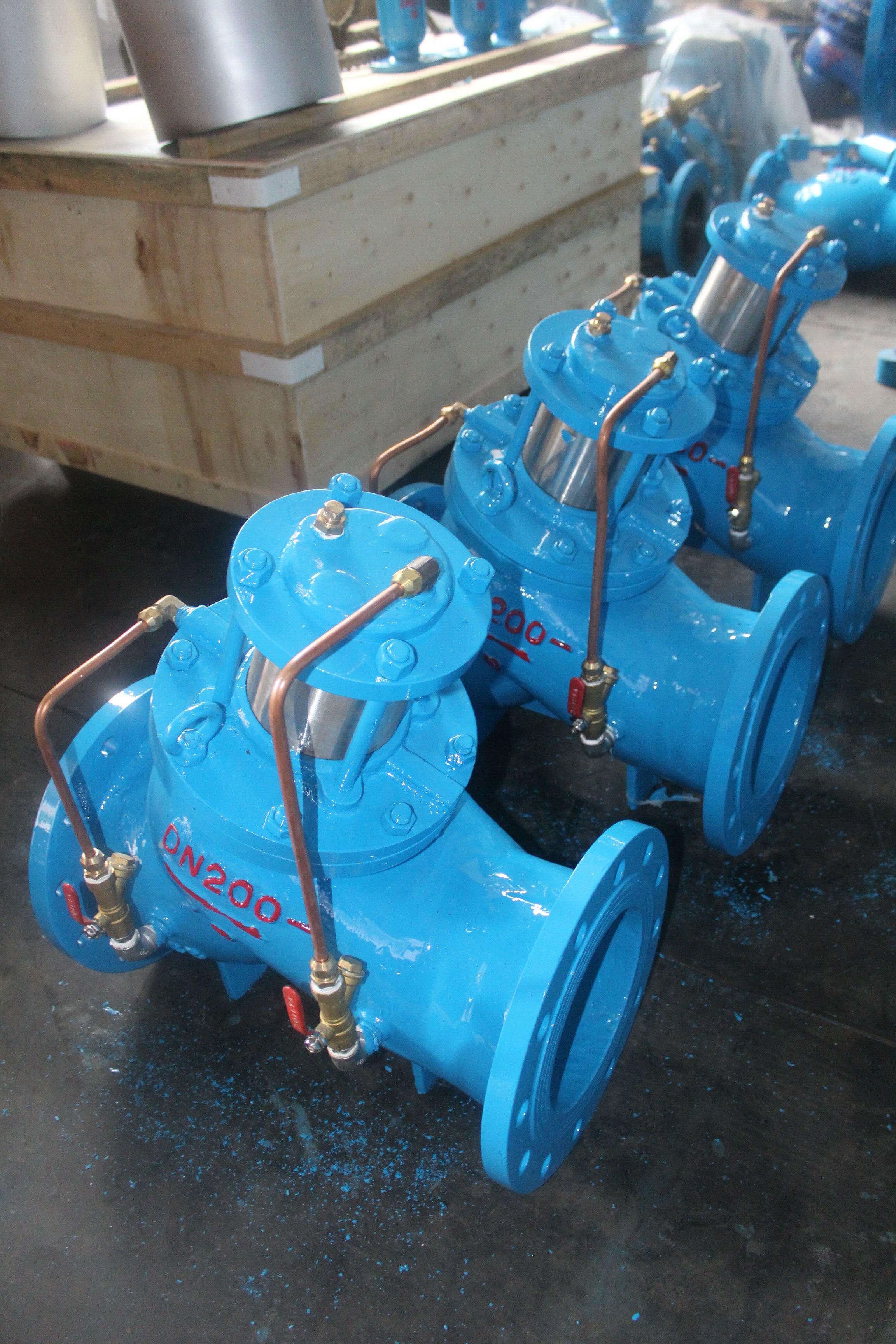
Vibration Dampening Pads for Industrial Machinery and Equipment in Heavy Applications
Vibration Damping Pads for Heavy Machinery An Essential Component for Performance and Longevity In t

Water Flow Control Valve for Efficient Shut-off Solutions
Understanding Water Shut-off Valves A Guide Water shut-off valves are an essential component in plum

Versatile Clamping Solutions for Welding Tables and Projects
The Importance of Welding Table Clamps in Metal Fabrication Welding is an essential process in metal
 English